Water Sensors: What are they and how can your home benefit?
by Pioneer State Mutual • April 22, 2026
Safety
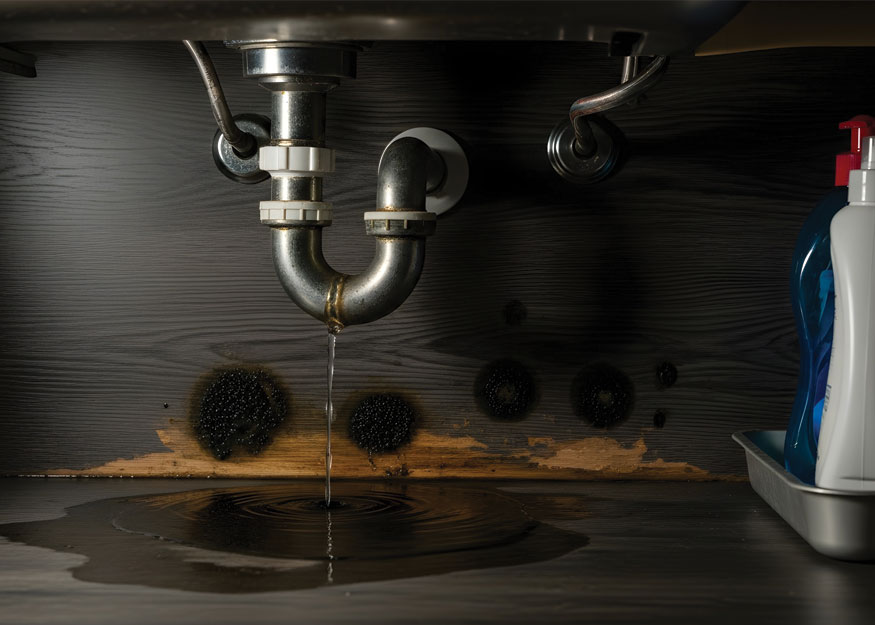
Water damage. It’s a phrase many homeowners fear to hear and is typically followed by stories of headaches and costly repair bills. Water is one of the leading offenders causing significant damage to homes, often triggered by burst pipes, leaking appliances, or unnoticed moisture.
What if there were a way to catch a small drip before it becomes a major problem? You’re in luck because there is:
Water Sensors.
Water sensors are compact devices that detect leaks, standing water, or elevated moisture levels and send immediate alerts. Think of them as your round-the-clock monitoring system that notifies you as soon as it senses something may be awry.
There are different options when it comes to the type of water sensors you can use:
- Point-of-contact leak sensors trigger an alarm when water touches the device
- Rope or cord sensors lie beneath appliances to sense if they are leaking
- Humidity or moisture sensors monitor dampness in the air
Most of the water sensors on today’s market use smart technology which connects to an app on your phone and other smart devices, so you get real-time alerts. Many of these detectors also enable alarms to sound on the device, so quick action can be taken to resolve the issue. That means even at 3 a.m., you should be able to catch a leak before it becomes disastrous!
What are the benefits of having a smart Water Sensor?
The most obvious is early detection. The faster you can detect a leak or increased moisture levels, the sooner you can mitigate the damage. Faster detection = less time to cause damage. To add to this point, less damage = lower repair costs; quick detection helps avoid extensive repairs, which in turn makes your bill lower. Speaking of cost, many insurance companies offer discounts on homeowners insurance should you have these types of devices installed in your home. Seems worth looking into if you ask us!
Where should you install smart Water Sensors?
The best practice for installing water sensors is to use them in high-risk areas (places where leaks and moisture are common):
- Near water heaters and main water lines
- Under sinks and behind toilets
- Beneath appliances that use water (e.g. washing machines, dishwashers, refrigerators, etc.)
- In basements and near sump pumps
We are entering the wet season here in Michigan; with lots of rain and extra moisture in the air there is no better time than now to upgrade and add water sensors to your home!
Spring into the warm weather with the peace of mind that comes with knowing you’ve done all you can to protect your home and the things you work hard for!
Have any questions about what you just read? Please contact your Independent Insurance Agent or email us at socialmedia@psmic.com!
Learn more about topics related to this article!